Destination Wedding Attire for Beachside Resort Wedding Days


Destination weddings have their own vibe. Everything feels a little more relaxed, the backdrops are gorgeous, and you’re suddenly rethinking what to wear. That chic city ballroom suit? Doesn’t make much sense once you’re on the sand with ocean breezes and serious humidity. A lot of guests get tripped up here.
If you’ve got a beachside resort wedding invite, you really have to plan ahead. The right fabric makes all the difference. Shoes, colors, even little things like what bag you bring—they all count more than you’d think. Trust me, one sweaty or sandy outfit mistake can ruin your whole day.
Let’s make it easier. Here’s your guide to dressing for a destination wedding: outfit ideas, dress code tips, and everything you need to look great at a beachside resort.
Choosing Destination Wedding Attire for Beachside Celebrations
Picking the right destination wedding attire starts with one thing—understanding the location. Beachside resort weddings are relaxed by nature, but that doesn’t mean casual in every case. Some are elegant and formal. Others lean tropical, breezy, almost vacation-like.
The venue tells you a lot. A luxury beachfront resort usually calls for polished but breathable looks. A private beach ceremony may feel softer, more relaxed. Weather matters too. Heat changes everything.
Focus on Comfort Without Losing Style
Comfort matters more than people admit. You may be walking on sand, moving between indoor and outdoor spaces, sitting in direct sun, then dancing late into the night. Your outfit has to work through all of it.
First rule: choose breathable fabrics. Linen, chiffon, cotton blends, silk blends, and lightweight crepe always win. They move well, feel amazing, and photograph beautifully.
Think About Color and Setting Together
Beach weddings naturally suit softer tones. Pastels, neutrals, ocean blues, sage green, coral, muted florals—all work well. These shades feel fresh without fighting the scenery.
Very dark colors can feel heavy under bright sunlight. Not always wrong. Just harder to carry in tropical settings. Light colors feel easier.
Destination Wedding Outfits That Work Best for Resorts
Choosing practical yet stylish Destination Wedding Outfits is really about balance. Too formal feels stiff. Too casual feels careless. The sweet spot sits somewhere in between.
Outfit Ideas for Women at Resort Weddings
Women usually have more flexibility here. Flowy maxi dresses work beautifully for beach ceremonies. Midi dresses also fit well, especially in floral prints or soft solids. Jumpsuits can work too—modern, clean, easier in windy weather.
The goal is movement. Outfits should feel easy, breathable, and elegant. Avoid gowns with long, heavy trains unless the wedding is extremely formal. Sand plus long hems is rarely a great combination.
Outfit Ideas for Men at Beachside Weddings
Men should think light, sharp, breathable. Linen suits are a strong option. Lightweight trousers paired with crisp shirts also work well. Some weddings allow blazers without full suits, especially during daytime ceremonies.
Some safe bets? Beige linen suits, light grey tailoring, navy blazers that won’t roast you, dress shirts with chinos. Skip thick dark wool suits—they’re just too much at a resort. And be picky about shoes. Loafers, nice sandals, or dressy flats beat out clunky dress shoes every time.
Wedding Guest Fashion for Modern Beach Weddings
Good Wedding Guest Fashion starts with respecting the couple’s event while still dressing for the environment. You want to fit the mood. Do not overpower it.
Beach weddings often feel more expressive than traditional city weddings. There’s room for prints, softer tailoring, playful textures. Still, some rules remain.
Avoid Common Guest Outfit Mistakes
Guests often overcomplicate beach wedding dressing. The most common mistakes are easy to avoid: don’t wear heels on the sand, skip dense fabrics, don’t dress like it’s the Met Gala for a lunchtime garden ceremony, and don’t forget about wind or sticky weather. If you fight the location, you lose.
Accessories Should Support the Outfit
Accessories can make or ruin the look. Large heavy bags, oversized jewelry, or uncomfortable shoes become annoying after a few hours. Keep things functional but stylish. Good choices include sunglasses, woven clutches, comfortable sandals, and lightweight jewelry. Less usually works better here. Clean styling wins.
Also Read: Best All-Inclusive Beachfront Honeymoon Resorts in the US
What to Wear to a Destination Wedding Based on Timing?
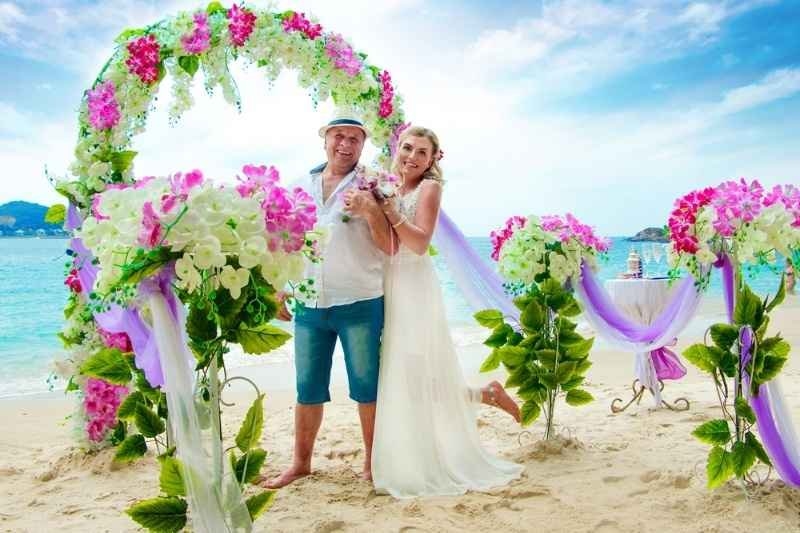
A major factor people ignore is timing. Morning, afternoon, sunset, evening—each creates different outfit needs. Knowing what to wear to a destination wedding depends heavily on when the event happens.
Timing changes dress expectations.
Daytime Wedding Looks Should Feel Light
Morning or afternoon weddings usually call for lighter colors and softer styling. Floral dresses, pastel suits, breathable fabrics, relaxed tailoring—all work naturally. Makeup can stay lighter. Accessories too.
Evening Weddings Allow More Elevated Styling
Evening weddings create more room for formal fashion. Darker shades, thicker textiles/tailored silhouettes/accessories that transcend literal bling are all appropriate once darkness hits. Most metallic finishes complement the atmosphere more effectively when viewed at night.
Understanding Destination Wedding Dress Code Clearly
The dress code is as important (if not more) than each of your guesses. A clear Destination Wedding Dress Code helps guests avoid confusion, yet not everyone reads invitations carefully. That creates problems.
Decode Common Dress Code Terms
Beach formal sounds confusing to many people. It usually means elevated but climate-appropriate. Think polished dresses, linen suits, elegant resortwear—not black-tie ballroom fashion.
A casual beach wedding means relaxed but presentable. Semi-formal beach attire sits somewhere in the middle. Read carefully. Small wording changes mean different expectations.
When in Doubt, Ask the Couple
If the dress code feels unclear, ask. That’s far better than showing up in the wrong outfit. Couples usually prefer quick questions over guest confusion.
A simple message can save a lot of stress. Better to confirm than assume.
Final Thoughts
Getting your look right isn’t as hard as it sounds. Remember, it’s all about balance—stay comfortable but look smart. Light fabrics, relaxed colors, shoes you can actually walk in, and thoughtful accessories go a long way.
The best destination wedding style never looks try-hard. You want to seem polished and at ease, not stiff or overdressed. Keep an eye on the location, time of day, local weather, and what the invitation says. That’s how you get it right.
FAQs
Can I Wear Black to a Beachside Destination Wedding?
Yes—especially for evening events. Black can look sharp after dark, but under the midday sun, it might feel out of place. Lighter colors usually look more at home at the beach, but if you style black well, you’ll still look great.
Are Flats Acceptable for Resort Wedding Ceremonies?
Go for it. Especially if the ceremony’s on the sand, flats, dressy sandals, or wedges are a lifesaver compared to heels. You want to look put together but stay comfortable.
Should I Bring Extra Clothes for a Destination Wedding Trip?
Definitely, things happen—spills, sweat, weather surprises. Having a backup outfit makes everything less stressful, especially if the celebration lasts a few days.
Can Prints Work for Destination Wedding Guest Outfits?
You bet. Floral prints, tropical prints, or subtle abstract patterns all accentuate the overall wedding but avoid any over-the-top styles; use prints to enhance the warmth/ambiance of the event rather than completely overshadowing the space.
This content was created by AI


