Vintage Wedding Rings: History, Styles and Buying Secrets


Key Lessons
- There’s just something magnetic about vintage wedding rings.
- They hold stories, show off real skill, and usually keep their value as the years go by.
- Small details give clues about how old a ring really is, whether it’s the style of engraving or the way the metal was worked.
- In this world, original condition usually matters more than a flawless look—tiny nicks or worn lines add to the story.
- Compare styles, make sure what you’re getting is the real thing, and think about whether the design actually fits your life.
Honestly, finding the right wedding ring is rarely just about the sparkle. Plenty of couples want a ring with soul—something that has lived a whole life before coming to them. That’s the pull of vintage. Every hand-carved detail or lightly faded setting hints at moments from the past. Some of these rings traveled through generations, while others sat quietly in someone’s jewelry box before making their way back out into the world.
Buying vintage isn’t like buying new. Age shapes value. The way rings were made has changed a lot over the decades. Authenticity suddenly becomes a big deal. Those little things most people overlook end up making all the difference.
This blog is here to break it all down—how to spot different design eras, what to look for in style and condition, where to buy with confidence, and what makes some rings stand apart.
Why do Vintage Wedding Rings Continue to Stand Out?
Unlike mass-produced modern rings, vintage pieces reflect the design tastes and techniques of their times. A lot of them were handmade, so no two are exactly alike—that tiny bit of individuality makes each ring feel special.
People often pick vintage wedding rings because they want more than just sparkle. There’s history baked in. When you wear a ring that’s seen decades—sometimes over a century—you’re wearing a piece of the past, not just a beautiful gemstone. The whole thing feels chosen, not churned out by a machine.
How Vintage Ring Designs Changed Across Different Eras
It helps to understand the design periods when you’re hunting for a ring. Each era has its own mood. Victorian rings are famous for flowery engravings, yellow gold, and colorful gems.
Edwardian jewelry has this light, almost breezy feel—think fine filigree work and delicate accents. Then Art Deco came along and flipped the script with those striking lines and bold geometric shapes. Mid-century rings? They went bigger, favoring chunky stones and clean, simple forms.
Small Details Reveal Authentic Vintage Ring Designs
If you take a moment to really look at old rings, you’ll catch things like hand engraving, milgrain edging, unusual diamond cuts, or subtle platinum accents. You’ll see tiny imperfections too, but honestly, that’s what gives these pieces their character.
If a ring looks too perfect, it might not be vintage at all, but a modern copy.
Don't Miss: Vintage vs. Modern Wedding Rings: Which One to Choose?
Vintage Wedding Ring Styles That Never Feel Outdated
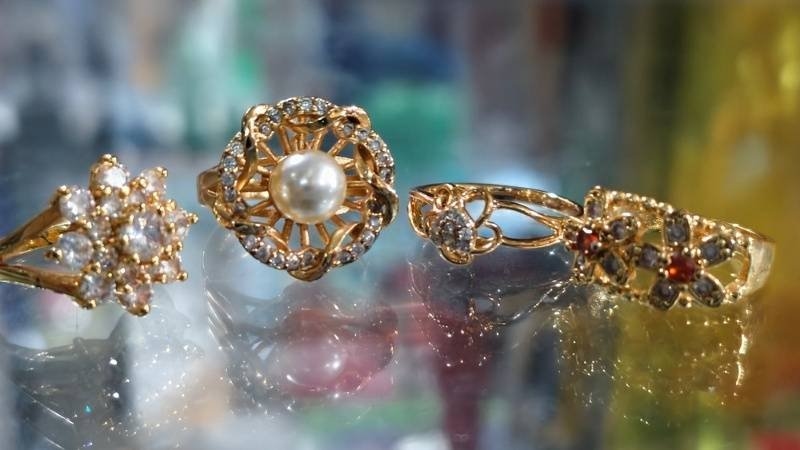
Fashion changes constantly. Some jewelry designs don't. The most timeless vintage rings still look fresh decades later because their designs aren’t tied to fleeting trends—they just never go out of style.
Popular Vintage Wedding Ring Styles Worth Considering
Some vintage styles just never fade. Victorian rings pull in anyone who loves romantic detail. Art Deco styles are bold and eye-catching, which is why collectors still chase them. Edwardian rings attract those wanting delicate lace-like metalwork.
Retro designs offer larger settings with dramatic personality. Each era creates a completely different look.
Matching Vintage Wedding Ring Styles for Personal Taste
Choosing between vintage wedding ring styles becomes easier when lifestyle comes first. For something you can wear every day, lower Edwardian settings work well. If you want your ring to shout, go for something retro—with big stones and chunky gold.
Vintage Ring Designs Compared Side-by-Side
| Era | Common Features | Best For |
|---|---|---|
| Victorian | Floral engraving, yellow gold, colored stones | Romantic traditional style |
| Edwardian | Platinum, lace-like filigree, delicate details | Elegant everyday wear |
| Art Deco | Geometric shapes, symmetry, bold patterns | Vintage luxury lovers |
| Retro | Larger stones, bold settings, warm gold | Statement jewelry |
Where to Buy Vintage Engagement Rings With Confidence?
Finding a trustworthy seller is just as important as picking an engagement ring you love. Specialists have stronger reputations than big general marketplaces, and they’ll usually provide paperwork, careful restoration, and honest details about each piece.
Now, if you’re starting to hunt for a vintage engagement ring, these retailers have solid reputations and thoughtfully chosen selections.
- Erstwhile curates true antique and vintage jewelry and stands by their authenticity.
- Victor Barboné hunts down rare estate rings with excellent craftsmanship.
- Brilliant Earth offers some vintage plus new designs inspired by older styles.
These retailers inspect jewelry carefully before listing it.
Smart Buying Secrets for Vintage Wedding Rings
Buying vintage wedding rings requires patience more than speed. Condition affects value. Too much buffing and fixing can strip away the history you’re paying for.
Before you make any decisions, check for these things:
- Hallmarks or maker’s marks
- How are the gemstones holding up
- Past repairs or alterations
- Any wear on the metal, especially if it’s thin
- Actual documentation or a pro appraisal
Don’t buy a ring based on looks alone. These details matter—they’ll tell you if it’s really vintage and if it’s worth your money.
Compare Before Making a Final Decision
Not all pretty rings are created equal. The old ones? They tell stories, they’re often handmade, and no one else will have one just like yours. Their prices can jump around depending on rarity, but they sometimes increase in value—something most new rings can’t promise.
Line your choices up side by side before deciding. It keeps impulse buys in check.
Also Read: Which Wedding Dress Matches Your Engagement Ring Best?
Conclusion
In the end, the real draw of vintage wedding rings is all about character and history. You’re not just buying jewelry—you’re carrying someone else’s story into a new chapter. Pick your era, know what makes each style real, and work with sellers who know their stuff. You’ll end up with something truly unique.
Frequently Asked Questions
Can Vintage Wedding Rings be Resized Safely?
Most vintage rings can be resized, but a lot depends on the metal, design details, and age. Rings with delicate engraving or filigree call for jewelers who actually know antique work. Don’t go to just anyone.
Are Old Cut Diamonds Better Than Modern Diamonds?
“Better” depends on what you love. Old-cut diamonds reflect light in a softer, more romantic way. They won’t give you laser-sharp flashes like newer stones, but they offer a lot more character.
How Can You Tell if a Vintage Ring Has Been Restored?
Always ask for restoration records if you can. Telltale signs include replaced stones, rebuilt prongs, newly polished engraving, or fresh metal added to old settings. A skilled jeweler should spot most restoration work on inspection.
Should Vintage Wedding Rings be Insured?
Absolutely. Insurance protects you from theft, damage, or loss, and vintage rings are tough to replace if anything happens. And before you get insurance, make sure a pro has appraised your ring with an up-to-date value.
This content was created by AI


