Are Traditional Wedding Vows Still the Best Choice?


Wedding vows are among the oldest traditions in the wedding ceremony, and even as wedding ceremonies become increasingly personal, traditional vows remain a common choice because they represent love, commitment, and partnership in a universal way. As you plan your wedding and navigate wedding vows, it's easy to become overwhelmed; you are not alone.
A recent survey of the wedding industry showed nearly 60 percent of wedding ceremonies included a form of traditional vows; many people take comfort in reciting vows that have bonded couples together for generations, and these vows offer a beautiful foundation upon which to build your own promises.
Whether you are looking for classic wedding vows, inspiration to create your own vows, or simply trying to understand the different styles of vows used during wedding ceremonies and wedding ideas, you've come to the right place. Here are 11 traditional vows that remain popular among wedding parties worldwide.
Why Couples Choose Traditional Wedding Vows?
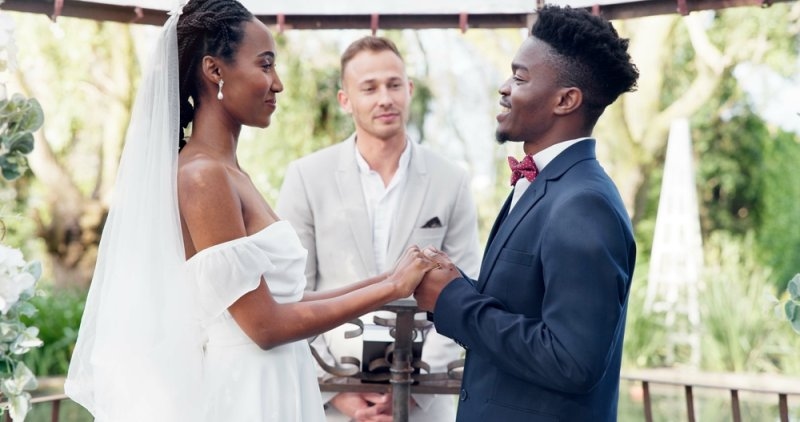
Traditional vows continue to appeal to couples for their focus on the fundamental promises of marriage. These vows often center on:
- Love and commitment
- Faithfulness
- Steadfast support
- Lifelong companionship
For many, these vows have an emotional resonance, as well as historical and symbolic meaning, that enhances the wedding ceremony.
Try This: How to Preserve a Wedding Dress and Keep it Beautiful?
1. The Classic Christian Wedding Vow
One of the most recognizable examples of marriage vows, this set is widely used.
"I take you to be my lawfully wedded spouse, to have and to hold from this day forward, for better or for worse, for richer or for poorer, in sickness and in health, to love and to cherish, until death do us part."
These vows, common in Christian wedding ceremonies, promise everlasting commitment throughout life's changes.
2. The Traditional Anglican Vow
"I, [Name], take you, [Name], to be my wedded spouse, to have and to hold from this day forward, for better, for worse, for richer, for poorer, in sickness and in health, to love and to cherish, till death us do part."
This wording is very similar to the Christian vows and has been prevalent in Anglican weddings for many years.
3. The Catholic Wedding Vow
"I, [Name], take you, [Name], to be my spouse. I promise to be faithful to you in good times and in bad, in sickness and in health. I will love you and honor you all the days of my life."
These vows are often favored for their straightforward and sincere sentiment.
4. The Traditional Jewish Wedding Vow
"I am my beloved's, and my beloved is mine."
This beautifully eloquent passage from the Song of Solomon encapsulates mutual devotion and partnership.
5. The Presbyterian Wedding Vow
"I take you to be my spouse, and I promise before God and these witnesses to be your loving and faithful spouse as long as we both shall live."
These vows are simple and clear, emphasizing fidelity and a lifetime commitment.
6. The Methodist Wedding Vow
"In the name of God, I take you to be my spouse, to have and to hold from this day forward, for better, for worse, for richer, for poorer, in sickness and in health, to love and to cherish, as long as we both shall live."
This common phrasing is recognizable to many couples and is a popular choice for church weddings.
7. The Lutheran Wedding Vow
"I take you to be my spouse, and I promise to be faithful to you and love you all the days of my life."
Short and meaningful, these vows focus on the essential promise of fidelity and lifelong love.
8. The Quaker-Inspired Vow
"I take you to be my spouse, promising, with divine assistance, to be a loving and faithful partner as long as we both shall live."
This version highlights the spiritual aspect of partnership and shared support.
9. The Traditional Civil Ceremony Vow
"I take you to be my spouse. I promise to love, honor, and support you through all the days of our lives."
Many non-religious couples opt for these civil ceremony vows for their simplicity and inclusivity.
10. The Classic Promise Of Fidelity
"I pledge my love, my loyalty, and my faithfulness to you from this day forward."
This concise vow powerfully conveys a deep commitment.
11. The Timeless Partnership Vow
"I promise to stand beside you, support you, and share my life with you in all circumstances."
This modern take on traditional vows emphasizes equality and companionship.
Tips for Choosing the Right Wedding Vows
Selecting your wedding vows is a significant part of wedding planning. Consider the following:
Consider the Style of Your Ceremony
Religious ceremonies often have prescribed vows, while civil ceremonies tend to be more flexible.
Talk to Your Partner
Determine if you both want to use completely traditional vows, a combination of traditional and personal vows, or something else entirely.
Take Length Into Account
Longer vows can feel more formal, whereas shorter vows may feel more intimate and direct.
Practice Reading Aloud
This will help you feel more comfortable and confident when reciting your vows on your wedding day.
Must Try: Ultimate Wedding Weekend Itinerary for Every Couple
Can You Personalize Traditional Vows?
Absolutely. Couples frequently adapt traditional vows by adding a sentence or two that directly reflects their relationship, future aspirations, or cherished memories. This allows you to honor tradition while making the vows uniquely yours.
Conclusion
The timeless promises embodied in traditional wedding vows continue to inspire couples and provide a meaningful framework for the wedding ceremony. From the deeply rooted Christian vows to the straightforward language of civil ceremony vows, each example beautifully expresses the core elements of love, commitment, and partnership.
We have explored 11 traditional vow examples, examined the enduring popularity of these vows, and offered guidance for choosing the most fitting wording for your wedding day. Whether you recite a traditional vow word-for-word or personalize it to express the unique bond you share, the most important thing is that the vows feel authentic and true to you and your partner. BridalFusion.com provides additional wedding planning resources, ceremony ideas, and relationship support for couples embarking on their wedding journey.
FAQs
Should Both Partners Use the Same Wedding Vows?
Not necessarily. While many couples choose identical vows for consistency and tradition, you are also free to use different vows that best represent each individual's personality. The crucial element is that both you and your partner feel completely comfortable with the chosen words and that the vows align with the overall tone and theme of your wedding ceremony.
How Long Should Traditional Wedding Vows Be?
Traditional wedding vows are generally brief and typically last between 30 seconds and two minutes when spoken. Shorter vows are easier to recite during a ceremony, while longer vows can offer more depth and emotional content, depending on your preferences.
Are Traditional Wedding Vows Legally Required?
In most locations, traditional vows are not legally required. The primary legal requirement is that both parties clearly and verbally express their intent to marry during the ceremony. However, it is advisable to confirm whether any specific vow language is mandatory with your officiant, especially if you are having a religious ceremony.
This content was created by AI


