How to Say No Kids at Wedding Without Offending Guests


Weddings kick up all kinds of odd little problems nobody warns you about. One of the biggest? Figuring out if kids should come. Some couples want everyone—kids running around, big noisy families, a party that never stops. Others dream of a quieter night, grown-ups letting loose, fewer interruptions. Both are totally fine.
But saying “no kids” isn’t easy. People get touchy. Parents tend to assume their children are invited unless you spell it out. And if you do, some feel left out, even if you didn’t mean it that way. That awkwardness? Happens all the time.
The good news—it’s fixable. You can be firm without sounding cold, clear without losing kindness. This blog walks you through how to say “no kids,” what words to use, gentle ways to explain it, and what to do if guests push back.
How to Say No Kids at Wedding in a Respectful Way
If you have already decided on an adults-only celebration, don’t overexplain. Most problems start when couples sound uncertain. Keep the message clear from day one.
A polite but direct approach works best. People usually react better to confidence than long emotional explanations. You are not insulting children. You are setting a wedding boundary.
Some weddings simply fit adults better — limited venue space, evening receptions, budget limits, alcohol-focused events, and formal settings. That’s enough reason.
Keep the Message Clear from the Start
Confusion creates problems fast. If invitations are vague, guests may assume children are included. Address invitations only to invited adults. For example, write “Mr. and Mrs. Smith” instead of “The Smith Family.” Small detail, big difference.
Besides that, include a short note on your wedding website if you have one. Keep the tone calm and polite.
Explain Only If You Want to
You do not owe everyone a long defense. If someone asks directly, you can simply say the wedding will be adults-only due to space, budget, or the atmosphere you want. Short answers often work better than dramatic explanations. Too much detail sometimes invites arguments.
Also Read: What are the Top 12 Wedding Plus-One Etiquette Rules of 2026?
Why Some Couples Choose No-Kids at Weddings
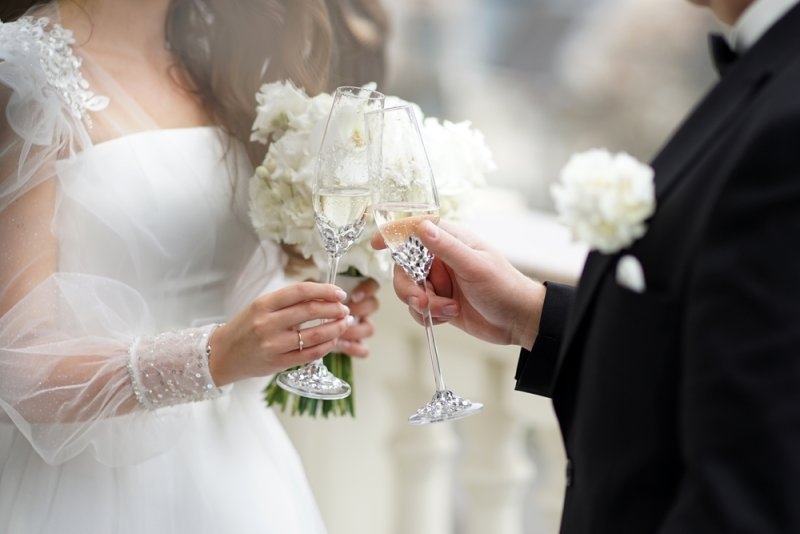
The topic gets emotional, yet there are many normal reasons couples prefer an adults-only celebration. A wedding may run late into the evening. Maybe the venue feels unsafe for young children. Some couples want a formal dinner without interruptions. Others simply cannot afford extra guests.
And honestly, children add numbers quickly.
Budget Limits Can Change Everything
Food costs rise fast. Seating changes. Entertainment expands. Even venue capacity becomes a problem. Many couples already stretch their finances to make weddings happen. Saying no to children sometimes becomes practical, not personal. That distinction matters.
Some Weddings Simply Feel More Adult
A black-tie reception, open bar, loud music until midnight — these events do not always fit younger kids. Parents often enjoy the break too, though they may not admit it immediately. A kid-free evening can feel like date night for them.
Smart Ideas for No Kids At Wedding Wording
The tricky part is wording. Too harsh feels rude. Too soft sounds optional. You want something simple and hard to misunderstand.
Polite Examples for Invitation Wording
Try short, simple sentences on your invites or RSVP cards like:
- “We kindly request an adults-only celebration.”
- “We love your little ones, but this wedding is just for adults.”
- “Please join us for an evening celebration reserved for adults.”
These lines get the point across politely. Around 40 words is plenty. Skip long, emotional explanations—they just make things muddier.
Add Details to Your Wedding Website
If guests have questions, your wedding website helps. You can write something short, such as:
“We love your children, but due to venue limits and space, we are only able to invite adult guests. We appreciate your understanding and cannot wait to celebrate together.”
Simple. Warm. No extra drama.
Suggested Reading: How to Choose a Wedding Venue for Your 2026 Wedding
A Nice Way to Say No Kids at Wedding Without Sounding Rude
Many couples worry about hurting feelings. Fair concern. But tone matters more than perfection. A nice way to say no kids at a wedding often comes down to warmth. Stay kind, yet stay firm too.
Speak Personally to Close Family
Close relatives sometimes expect exceptions. Instead of waiting for confusion, mention the rule early. A quick conversation prevents awkward surprises later.
Try something simple:
“We decided to keep the wedding adults-only. We really hope you can still come — we want to celebrate with you.”
Short, human, honest.
Avoid Apologizing Too Much
Here’s what surprises people—if you keep apologizing, your message weakens. If you sound guilty, guests decide that maybe the rule is flexible. Then you get the requests:
- “Just this time?”
- “My kids are super quiet.”
- “They’ll barely take up any space.”
Suddenly, your boundary disappears.
How To Handle Pushback From Guests
Someone may still get upset. It happens. Parents sometimes struggle with childcare, travel, or expectations. Try not to take frustration personally.
Listen politely. Stay calm. Repeat the boundary if needed.
Be Understanding But Stay Consistent
If you allow exceptions randomly, people notice. One cousin brings kids — suddenly everyone asks. That creates tension fast, sometimes bigger than the original problem.
Consistency protects you.
You can say something like: “We completely understand, but we’re keeping the same rule for everyone.”
Clear. Respectful. Finished.
Offer Helpful Alternatives If Possible
You are not required to arrange childcare, but small gestures help.
If you want to show some extra care, go for it. Couples often:
- Share local babysitter contacts
- Arrange babysitting at the hotel
- Suggest family-friendly spots nearby
You’re showing you care, without changing your mind.
Don't Miss: Mother-in-Law Wedding Conflicts and How to Handle Them
Final Thoughts
Going adults-only does feel weird at first. Nobody likes disappointing friends. But it’s your wedding. You decide who’s there, how the day feels, and what your budget allows. The right approach? Clear early, kind in tone, firm when asked. Don’t overexplain—don’t apologize forever. Most people get it, even if some take a little longer. Honestly, guests remember the food, music, and vibe—not whether kids were there. Handle it gently, then enjoy your day.
FAQs
Is It Rude To Have An Adults-Only Wedding?
No, it’s not. Adults-only weddings are super common, especially for evening or formal events. As long as you’re upfront, most guests understand. Problems only pop up when you confuse people or tell them too late.
When Should Guests Be Told Children Are Not Invited?
As soon as possible. Put it on invites, save-the-dates, RSVP cards, and your wedding website. Early notice gives parents time to make plans without feeling rushed or stressed.
Should I Call Guests Personally About The Rule?
Yes, if they’re close family or you think it’ll be sensitive. Quick, direct chats clear things up fast and feel more respectful than letting them find out through the invitation.
Can Guests Decline Because Their Children Are Not Invited?
For sure. Sometimes, childcare costs, travel hassles, or just comfort make it tough. Don’t take it personally—it’s usually about logistics, not hurt feelings.
This content was created by AI


