Benefits & Ideas for Wedding Invitations With QR Codes


Wedding invites have changed a lot. Paper cards still matter, sure, but now people want things quicker, cleaner, and easier to manage. A printed invitation alone sometimes feels incomplete—guests lose venue cards, forget RSVP deadlines, and ask for directions ten times. That is where QR codes quietly stepped in.
A small square on an invite can suddenly do much more than decoration. It can open maps, RSVP pages, gift registries, dress codes, and even videos. Less confusion. Fewer calls. More convenience for guests who already juggle too much. Yet it still feels personal when done right.
In this blog, we will talk about wedding invitations with QR codes, useful ideas, benefits, mistakes to avoid, plus how digital invitations fit into modern weddings.
Why Wedding Invitations With QR Codes are Becoming Popular?
Wedding invitations with QR codes are becoming common because they solve small but annoying problems. Guests no longer need separate cards for directions, RSVP details, accommodation lists, or event schedules. One scan does the work.
People also expect digital convenience now. Most guests already use phones for payments, bookings, and tickets—wedding details feel natural in the same format. Besides, couples save time answering repeated questions.
Another thing. QR codes make invitations look cleaner. Instead of squeezing too much text into one card, extra information can sit online while the invite stays elegant.
Smart Ways to Use QR Code Wedding Invitations
Adding a QR code just because it looks trendy is not enough. It should actually help guests. Otherwise, it becomes decoration no one scans.
Add a Quick RSVP Option for Guests
The easiest use for QR code wedding invitations is RSVP management. Guests scan the code, fill out a short form, and are done.
By using a QR code, the couple will not have to worry about making repeated phone calls or dealing with the many questions from friends and family via text message regarding their wedding.
Share Venue Maps Without Confusion
Directions create stress more often than people admit, especially if venues are outside cities or spread across several locations.
A QR code linked to navigation apps removes guesswork. Guests simply scan and reach the exact place. No screenshots, no typing long addresses wrong.
How do Digital Wedding Invitations Make Planning Easier?
Digital wedding invitations are no longer just an emergency backup. They became practical, affordable, and sometimes preferred.
Speed is one obvious advantage of using QR codes on invitations. Hundreds of invitations can be sent out at once. No waiting for shipping or worrying about delays. Especially useful for relatives living abroad.
There is also flexibility. A typo in printed cards hurts. A digital invite can be updated in minutes. Venue changed? Timing adjusted? Just edit the details. Money matters too.
Why Guests Often Prefer Digital Formats
Guests usually want convenience more than people assume.
A digital invite stays inside the phone, easy to reopen. No searching through drawers or bags before the wedding day. Besides, reminders can be sent automatically. Some older generations may still prefer to receive paper invitations; however, younger generations often prefer to manage digital invitations because they are easier to navigate.
Keeping Digital Invites Personal
One criticism of digital invites is that they sometimes feel cold. Too quick. Too generic.
That problem is easy to fix. Add voice notes, short welcome videos, personal wedding card messages, or even a handwritten-style design. Suddenly, it feels warmer. The format changed — not the emotion.
Creative Ideas for Digital Wedding Invitations With QR Code Features
Digital wedding invitations with QR code features can do much more than basic RSVP links. Couples have become creative with them.
Here are a few useful ideas:
- Song Playlist for Guests: Add a QR code that links to your wedding playlist. Guests can listen ahead of time, get in the mood, and even pick up on songs that mean something special to both of you. It’s a chill way to build a little buzz—no pressure.
- Gift Registry Access: Forget crowding your invites with registry details. Just add a QR code—guests scan it and see your wish list in private. Nobody feels weird about gift-giving, and your invite stays clean.
- Accommodation Suggestions: If people are traveling for your wedding, make it easy. Drop in a QR code that sends them straight to info on hotels, good food nearby, fun sights, and how to get around.
These small details seem minor, but together they make the guest experience smoother.
Understanding QR Code Wedding Invitations' Benefits for Couples
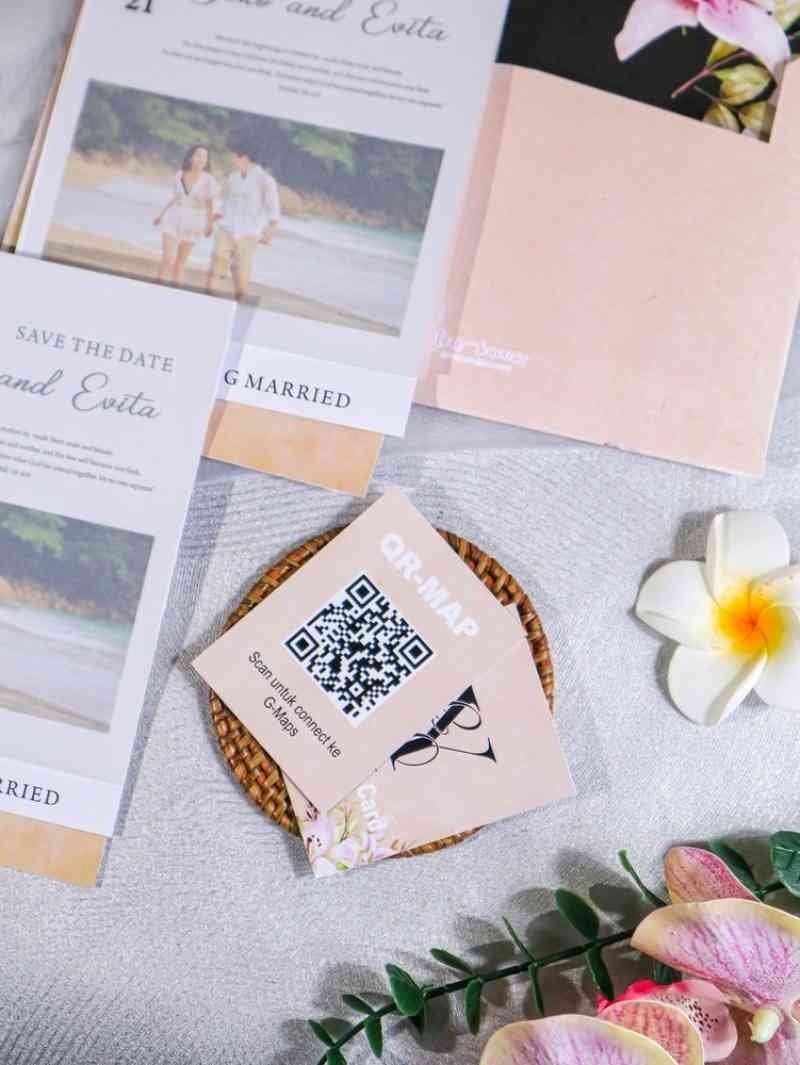
The biggest QR code wedding invitation benefits often come down to convenience, organization, and flexibility. You will notice a significant reduction in information overload. Couples will no longer need to send out separate RSVP cards, venue inserts, registry information, accommodation sheets, or printed schedules.
Tracking will also be made much easier for couples using QR codes. Some platforms show who scanned invitations or completed RSVP forms. Helpful when deadlines get close. Third, updates become possible. QR-linked information can change anytime without reprinting expensive cards.
There is also an environmental side to this. Fewer inserts usually mean less paper waste. Some couples care about sustainability—others simply want fewer printing costs. Both reasons work.
Mistakes Couples Should Avoid
A few mistakes happen often. Do not make the QR code too small. Guests should scan it easily without trying five times.
Also, test links properly before sending invitations. Broken pages look careless and frustrate people quickly. Another thing—avoid linking guests to ten different pages. Keep information organized in one simple location whenever possible.
Also Read: A 7-Step Rehearsal Dinner Invitation Guide You Can Follow
Conclusion
Invitations aren’t just about the date anymore. They help guests navigate the day, stay on schedule, RSVP quicker, and actually get excited for your wedding. All those little touches make a difference.
Does using QR codes mean you’re ditching tradition? Not at all. They just make things smoother. One quick scan, and everybody’s on the same page.
FAQs
Are QR code wedding invitations safe to use?
Yes. Stick with a reputable QR code generator and check the link before you send it out. If guests know where the code points to, they’re more likely to trust it.
Can guests without smartphones still attend easily?
Yes, your main invitation should include as much important information as possible (where the wedding will occur, date of the wedding, time of the wedding, etc.) so that no one will be left out, and QR codes should be in addition to, and not a substitute for, the above information.
Do QR codes make wedding invitations look cheap?
Placement is much more important than what design you choose, so placing a well-designed QR code that matches your overall wedding invitation style will help to give it a nice, modern, and clean look instead of looking out of place and distracting.
How early should wedding invitations with QR codes be sent?
Ideally, you should have the QR codes printed on wedding invitations no fewer than 2 to 3 months prior to your wedding. If you’re planning a destination event, send them even sooner so people have plenty of time to sort out travel and where to stay.
This content was created by AI


