How Communication Styles in a Relationship Impact Love?


Quick Takeaways
- Recognizing distinct interaction habits helps partners bridge emotional gaps before small miscommunications escalate into chronic relationship strain.
- The four main interaction patterns consist of assertive, passive, aggressive, and passive-aggressive styles, with assertive expressing needs clearly and respectfully.
- Clinical research indicates that poor expression patterns contribute to over sixty-five percent of relationship breakdowns across married couples.
- Learning how to deal with different communication styles in a relationship requires active listening, validation, empathy, and healthy emotional boundaries.
- Developing healthier expression habits creates a safe space for vulnerability, deeper trust, mutual appreciation, and long-term marital satisfaction.
Have you ever felt like you were speaking a completely different language than your partner during an argument? You are definitely not alone in that frustrating experience. Many couples struggle to feel truly heard, loved, and understood by their significant other daily.
Understanding communication styles in a relationship is essential for building a lasting connection that stands the test of time. According to relationship research from the Gottman Institute, poor communication habits account for over 65 percent of marital failures nationwide. Furthermore, studies show that couples who practice healthy expression habits report a 70 percent higher rate of long-term relationship satisfaction.
In this comprehensive guide, we will explore the core interaction patterns, examine their impact on emotional intimacy, share practical strategies to handle differences, and outline concrete steps to resolve misunderstandings.
What are the Communication Styles in a Relationship?
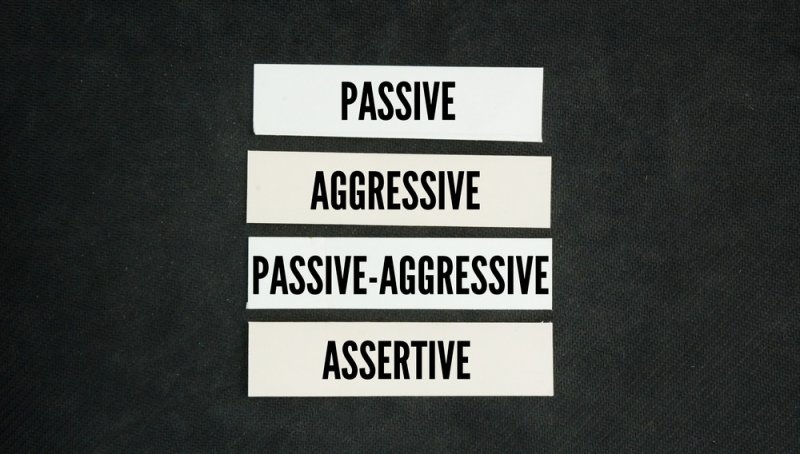
Every person brings unique habits to their partnership based on upbringing and past experiences. Psychologists identify four primary categories when explaining what are the communication styles in a relationship today.
| Assertive Style | Passive Style | Aggressive Style | Passive-Aggressive Style |
| Clear, Respectful & Direct | Avoids Conflict & Suppresses | Direct Control & Blame | Indirect Expression & Sarcasm |
| Expresses needs calmly | Hides true feelings | Demands immediate obedience | Uses subtle sabotage |
| Listens with empathy | Priority given to others | Uses accusatory language | Displays silent treatment |
| Respects personal boundaries | Accumulates resentment | Invalidates partner views | Denies inner frustration |
The assertive approach remains the healthiest pattern for couples. Assertive partners express feelings clearly without placing blame. They set respectful boundaries while validating their partner's perspective equally during difficult conversations.
The passive approach involves hiding true feelings to avoid conflict. Passive-aggressive partners express anger indirectly through sarcasm or the silent treatment. Aggressive partners dominate conversations, using blame to control discussions.
Try This: How to Handle Verbal Abuse in Relationships Effectively
How Communication Styles Affect Intimacy and Connection?
Misaligned interaction habits often create emotional distance between loving partners over time. When one partner retreats passively while the other demands answers aggressively, a damaging demand-withdraw cycle begins.
| Interaction Pattern | Immediate Impact | Long-Term Outcome |
| Assertive vs Assertive | Mutual understanding and respect | Deep emotional safety and intimacy |
| Passive vs Aggressive | Fearful compliance and silent frustration | Built-up resentment and emotional distance |
| Aggressive vs Aggressive | Frequent explosive arguments | High toxicity and emotional exhaustion |
| Passive vs Passive | Complete avoidance of core problems | Surface-level connection without depth |
Recognizing these dynamics helps couples stop blaming each other. It shifts the focus toward fixing toxic patterns collaboratively instead of fighting endlessly.
How to Deal With Different Communication Styles in a Relationship?
Learning how to deal with different communication styles in a relationship requires patience and emotional regulation. Differing styles do not mean your partnership is doomed to fail.
| Conflict Management Technique | Actionable Practice |
| Use "I" Statements | Focus on inner feelings |
| Practice Active Listening | Reflect words |
| Schedule Tough Discussions | Pick calm moments |
| Establish Emotional Boundaries | Take needed timeouts |
When speaking with a passive partner, create a safe space for them to open up slowly without pressure. Give them time to process their thoughts before asking for answers.
When dealing with an aggressive partner, remain grounded and calm. Set clear boundaries against yelling or personal insults. Request a short pause to let tempers cool down before continuing the conversation.
Practical Steps on How to Fix Communication in a Relationship
If your partnership feels stuck in repetitive arguments, learning how to fix communication in a relationship offers a fresh start toward healing. Changing ingrained habits takes consistent practice from both partners.
1. Shift From Reaction to Intention
Pause before responding when emotional triggers arise. Take three deep breaths to calm your nervous system. Choose words that build connection rather than defensive walls.
2. Practice Reflective Listening
Repeat what you heard your partner say before giving your perspective. This simple habit ensures you grasp their emotional intent rather than making wrong assumptions.
3. Replace Blame With Specific Requests
Instead of criticizing past mistakes, state what you need clearly going forward. Specific requests give your partner actionable ways to support your emotional well-being.
Actionable Steps to Improve Daily Connection
- Practice ten minutes of distraction-free talking every evening after work hours.
- Express genuine appreciation for small daily acts of kindness your partner does.
- Avoid bringing up past grievances during current conflict discussions.
- Acknowledge your partner's emotional state before offering advice or quick solutions.
Must Try: 18 Exciting Couple Goals To Strengthen Your Relationship
Conclusion
Understanding interaction habits is vital for building a healthy, lasting partnership. Throughout this article, we explored the four primary expressional patterns, analyzed how misaligned styles impact intimacy, shared strategies for managing differences, and outlined practical ways to resolve recurring conflict. Research confirms that adopting assertive expression techniques dramatically increases emotional safety and marital happiness across every stage of love.
Creating a harmonious relationship requires willingness, patience, and the right guidance. Implementing small changes in how you express needs transforms daily interactions into deep connection. Taking action today protects your shared future and builds a resilient bond capable of weathering any storm together.
If you are ready to strengthen your partnership and rediscover deep emotional intimacy, explore expert relational resources, guided tools, and supportive coaching options today to transform your love story.
FAQs
What Role Does Body Language Play During Emotional Discussions?
Nonverbal cues like eye contact, open posture, and gentle vocal tones communicate safety and respect. Over fifty percent of emotional meaning passes through nonverbal body language rather than spoken words, making physical presence critical during conflict.
How Does Past Childhood Trauma Influence Modern Relationship Dynamics?
Childhood environments shape how individuals view conflict and emotional safety. Unresolved family trauma often manifests as defensive relationship behaviors, making partners overly passive, hypervigilant, or aggressive during stressful emotional discussions today.
Can Couples Therapy Successfully Change Chronic Passive Aggressive Behaviors?
Yes, professional couples counseling helps partners identify subconscious defense mechanisms. Guided therapy sessions teach individuals how to process underlying fear, express anger safely, and adopt assertive habits that promote genuine closeness.
How Does Stress Affect Communication Styles Under Pressure?
High stress triggers the body's survival instincts, causing people to revert to defensive communication styles. When overwhelmed, individuals often drop assertive habits and adopt passive, aggressive, or distant behaviors to protect themselves emotionally.
Why is Validation Important Even When You Disagree With Your Partner?
Validation acknowledges your partner's emotional reality without requiring you to sacrifice your own viewpoint. Showing empathy for their feelings de-escalates defensiveness, builds trust, and paves the way for constructive compromise during difficult arguments.
This content was created by AI


