How Do You Write the Best Wedding Ceremony Scripts?


Key Takeaways
- Choosing the right outline sets a meaningful tone for your entire celebration.
- A traditional approach honors classic customs, while modern formats allow full personalization.
- Religious traditions incorporate specific vows, readings, and sacred rituals tailored to your faith.
- Pacing and timing ensure your officiant keeps guests engaged from entrance to kiss.
- Practicing out loud helps refine emotional flow and prevents timing surprises during the ceremony.
Standing at the altar with your partner is one of the most emotional moments you will ever experience. As you look into each other's eyes, the words spoken set the tone for your whole journey together.
Choosing or writing clear wedding ceremony scripts ensures your love story feels genuine, personal, and unforgettable. Recent industry surveys show that over 70% of modern couples now personalize their vows or ceremony text to reflect their unique values. Whether you prefer solemn traditions or lighthearted personal anecdotes, having a clear template keeps your officiant grounded and your guests connected.
In this guide, we will explore key ceremony formats, compare sacred and secular options, and walk you through every step to build a seamless script.
8 Beautiful Wedding Ceremony Scripts for Every Style
Here is what you need to know about all the wedding ceremony scripts:
1. Traditional Wedding Ceremony Script
A traditional wedding ceremony script follows a time-tested structure loved across generations. It focuses on solemn promises, classic phrasing, and structured transitions that feel instantly familiar to your guests.
- Processional: The officiant, groom, wedding party, and bride enter in formal sequence. This sets a reverent tone as instrumental music guides each member to their designated place at the altar.
- Welcome & Convocation: The officiant greets guests and speaks on the sacred nature of marriage. They acknowledge the support of loved ones present and remind everyone of the deep commitment being made.
- Exchange of Vows & Rings: Couples recite classic vows followed by the placement of rings. These promises reflect enduring love, fidelity, and mutual honor through all of life's upcoming chapters.
- Pronouncement & Kiss: The officiant officially declares the couple married before the exit. This joyful climax leads directly into the seal of a kiss and the formal introduction of the newlyweds.
2. Nonreligious Wedding Ceremony Script
A nonreligious wedding ceremony script keeps the focus entirely on the couple's personal journey, shared values, and hopes for the future. It bypasses formal religious references in favor of secular poetry, personal stories, and warm storytelling.
- Gathering Words: Welcoming friends and family into a warm, inclusive atmosphere. The officiant thanks everyone for traveling from near and far to celebrate this unique milestone together.
- Personal Storytelling: The officiant shares how the couple met and grew together. Highlights include humorous memories, shared adventures, and the defining moments that solidified their bond.
- Custom Vows: Reading written personal commitments without formal religious phrasing. Couples express their heartfelt promises using their own voice, adding deep intimacy to the moment.
- Unity Ritual: Optional wine pouring, sand mixing, or candle lighting ceremony. This visual demonstration symbolizes two independent lives coming together into one strong, shared future.
3. Modern Wedding Ceremony Script
A Modern Wedding Ceremony Script blends timeless romantic elements with fresh, contemporary humor and casual pacing. It allows couples to involve guests directly or include modern readings from popular literature.
- Upbeat Opening: A lively welcome that sets a relaxed, joyful atmosphere. The tone is kept light and conversational, instantly making guests feel like active participants rather than passive observers.
- Community Affirmation: Asking guests to support the couple in their shared life. The officiant prompts the crowd to pledge their ongoing love and encouragement for the marriage ahead.
- Short Vow Exchange: Quick, meaningful promises followed by ring exchanges. The language remains clear, direct, and focused on practical everyday love and partnership.
- Celebratory Recessional: A spirited exit accompanied by uplifting music. The newly married couple walks down the aisle, cheered on by high-fives, applause, and joyful celebration.
4. Christian Wedding Ceremony Script
A Christian wedding ceremony script centers on faith, placing God at the heart of the union. It incorporates Biblical scripture, prayers for guidance, and classic vows of lifelong devotion under divine grace.
- Invocation Prayer: Asking for God's blessing over the couple and gathering. The minister invites the Holy Spirit to guide the proceedings and bless the sacred union being formed.
- Scripture Reading: Reciting passages such as 1 Corinthians 13 or Genesis 2. Family members or close friends are often invited up to read these timeless verses aloud to the congregation.
- Holy Vows: Exchanging sacred promises before God and assembled witnesses. The couple vows to love, honor, and cherish one another in accordance with biblical teachings.
- Final Blessing: A closing prayer dedicated to protecting the new household. The officiant asks for spiritual strength, joy, and peace to cover the couple throughout their married life.
5. Catholic Wedding Ceremony Script
A Catholic wedding ceremony script follows a rich liturgical order, often integrated within a full Nuptial Mass. It includes solemn readings, sacred prayers, and formal vows preserved through church tradition.
- Liturgy of the Word: Old Testament, New Testament, and Gospel readings. The priest guides the congregation through selected passages that reflect the holy sacrament of matrimony.
- Homily: The priest reflects on the sacrament of holy matrimony. This sermon offers spiritual insights and practical wisdom on living out a faithful, self-sacrificing Christian marriage.
- Consent & Ring Blessing: Solemn exchange of consent and blessed rings. The priest blesses the bands with holy water before the couple exchanges them as symbols of endless fidelity.
- Nuptial Blessing: Formal prayer offered before the celebration of Holy Communion. The church community unites in prayer over the couple, invoking divine grace upon their future family.
6. Jewish Wedding Ceremony Script
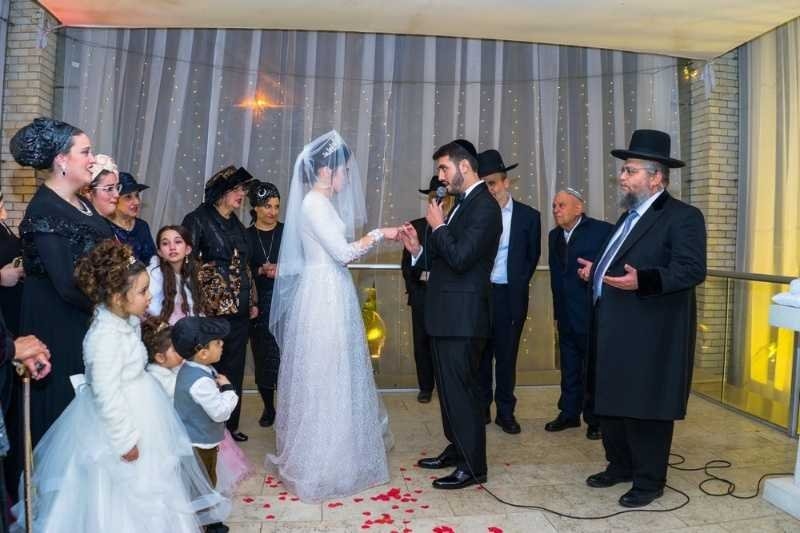
A Jewish wedding ceremony script is steeped in meaningful symbolism, celebrating heritage and covenant. It centers around the Chuppah, sacred wine blessings, and time-honored community customs.
- Signing the Ketubah: Signing the formal marriage contract before the service. Witnesses, close family, and the rabbi gather privately to execute this legal and spiritual covenant document.
- The Seven Blessings (Sheva Brachot): Reciting traditional blessings over wine. Honored guests or the rabbi chant these ancient prayers focusing on creation, joy, companionate love, and peace.
- Ring Exchange: Placing a plain gold band on the bride's index finger. This simple, unadorned metal represents an unbroken circle of pure, uncomplicated devotion between partners.
- Breaking the Glass: Stomping on a glass to signal joy and ending the ceremony. This memorable act commemorates historical trials while signaling the start of loud shouts of "Mazel Tov!"
7. Baptist Wedding Ceremony Script
A Baptist wedding ceremony script emphasizes biblical authority, salvation, and Christ-centered partnership. It offers a warm, gospel-focused message highlighting covenant love and personal faith journeys.
- Opening Prayer & Praise: Welcoming the congregation with song and worship. The service begins by giving glory to God for bringing two believers together into holy matrimony.
- Gospel Message: Brief sermon on Christian marriage responsibilities. The pastor emphasizes how a selfless, forgiving marriage reflects Christ's unconditional love for the church.
- Covenant Vows: Repeating scripture-based promises of unconditional fidelity. The couple pledges to support each other's spiritual growth while remaining faithful through all circumstances.
- Presentation: Introducing the new husband and wife to the church family. The pastor presents the couple to their congregation, who respond with applause and warm congratulations.
8. Protestant Wedding Ceremony Script
A Protestant wedding ceremony script balances traditional liturgical dignity with personal customization. It focuses on grace, mutual devotion, and communal support within a warm Christian framework.
- Call to Worship: Opening the service with hymns or comforting scriptures. The minister gathers the assembly's focus through shared prayer and uplifting musical selections.
- Declaration of Intent: Asking the couple to affirm their desire for marriage. Each partner answers "I will" to confirm their free will and readiness to enter this sacred bond.
- Exchange of Promises: Traditional or custom vows recited before the altar. Couples join hands and state their commitment to hold each other in sickness and in health.
- Benediction: Sending the couple forth with words of hope and grace. The officiant delivers a final blessing, invoking God's peace upon the newlyweds as they begin their journey.
Must Try: Traditional Wedding vs Destination Wedding: Key Differences
Key Differences Across Ceremony Formats
| Script Style | Primary Focus | Typical Duration | Common Rituals Included |
| Secular / Modern | Personal relationship history | 15 to 25 Minutes | Handfasting, sand mixing, custom readings |
| Traditional Religious | Faith, liturgy, and sacred vows | 30 to 60 Minutes | Scripture readings, communion, sacred blessings |
Step-by-Step Guide to Customizing Your Script
Creating a custom ceremony flow requires thoughtful planning between the couple and their chosen officiant.
- Consult Your Officiant: Discuss legal requirements, religious guidelines, and overall tone early in planning.
- Select Your Readings: Choose two or three meaningful poems, book excerpts, or sacred texts.
- Write Personal Vows: Draft your promises early and keep them under two minutes each.
- Rehearse Out Loud: Practice the entire script during your rehearsal to ensure comfortable pacing and smooth handoffs.
Conclusion
Crafting the perfect layout for your special day is all about honoring your unique relationship while guiding your guests through a memorable event. Throughout this article, we covered classic sacred traditions, explored lighthearted secular formats, and broke down essential steps to customize your outline. Whether you lean toward formal religious traditions or relaxed contemporary promises, choosing a structure that reflects your shared identity ensures your altar moment shines with genuine warmth.
Are you ready to design a wedding day that feels effortlessly elegant and deeply personal? Explore curated bridal inspiration, discover expert planning resources, and start crafting your dream wedding details today to create memories that last a lifetime.
Essential Reads: Small Wedding vs Big Wedding: Which is the Best Option?
FAQs
How Long Should a Standard Wedding Ceremony Script Be?
A standard wedding ceremony script usually lasts between 20 and 30 minutes. This provides ample time for the processional, opening remarks, readings, vow exchanges, and the recessional without overwhelming guests. Religious ceremonies incorporating communion or full masses can extend up to an hour.
Who Writes the Wedding Ceremony Script for a Friend Officiating?
When a friend or family member officiates, the couple and officiant typically collaborate to write the script. The couple usually chooses the readings, vows, and general tone, while the officiant drafts the welcome message, personal anecdotes, and transition statements to match the couple's vision.
What Legal Words Must Be Included in a Ceremony Script?
Legal requirements vary by state and country, but most jurisdictions require a clear declaration of intent from both partners. This is the moment where each person explicitly agrees to enter into marriage. Additionally, the officiant must deliver a formal pronouncement and execute the legal marriage license with required witnesses.
Can You Combine Different Cultural Traditions in One Script?
Yes, blending multiple cultural traditions into a single script creates a rich, inclusive ceremony experience. Couples frequently combine elements like a Jewish breaking of the glass with a Celtic handfasting or traditional unity candle. Clearly explaining these customs in your program helps keep all guests engaged.
When Should You Finish Writing Your Ceremony Script?
You should finalize your ceremony script at least one month before the wedding day. Completing the text early allows your officiant plenty of time to practice timing, gives you space to polish your vows, and ensures everyone feels confident and relaxed during the final rehearsal.
This content was created by AI


