What are the 5 Love Languages & Why Do These Things Matter?


Most couples don't drift apart because they stopped caring; they fail because they are broadcasting affection on completely different emotional frequencies. You can spend years emptying your bank account on extravagant anniversary trips or breaking your back doing yard work, yet your partner will still look at you and claim they feel neglected. Learning the 5 love languages is the operational framework required to stop guessing how your partner processes affection and start investing your relational capital where it actually pays a dividend.
Must Read: Luxury Wedding on a Budget: Smart Saving Tips and Decor
What is Love Language and Why Does it Matter?
A love language is the primary behavioral conduit through which a person naturally receives and registers emotional security. Dr. Gary Chapman identified that humans do not interpret romantic gestures universally; instead, our internal wiring prioritizes one or two specific signals—such as spoken appreciation, undivided attention, or tangible help—over all others. When you speak your own dialect instead of your partner’s, your expressions of commitment sail right past each other without registering on their emotional radar.
The following points explain why love languages matter:
1. Preventing Dead-End Energy Expenditure
Relationships die from wasted effort. Understanding your partner's dialect stops you from throwing time and money at gestures that hold zero emotional currency for them.
2. Eliminating Silent Resentment
Pouring energy into the wrong channel leaves you feeling burned out and your partner feeling invisible. Speaking their actual language stops the quiet bitterness that piles up when you're busting your tail every day and getting zero credit for it.
3. Surviving the Chemistry Burn off
That early honeymoon high always expires. Once the sparks fade, knowing how to read what your partner actually needs is what keeps a long-term marriage from turning into a glorified roommate arrangement.
4. Stopping the Guesswork
Stop trying to read minds. Knowing your partner's primary signal gives you a straightforward game plan when life gets chaotic, and neither of you has the patience for romantic trial and error.
Top Pick: How to Pick the Best Wedding Theme for Your Big Day
5 Love Languages: Understanding the Different Options
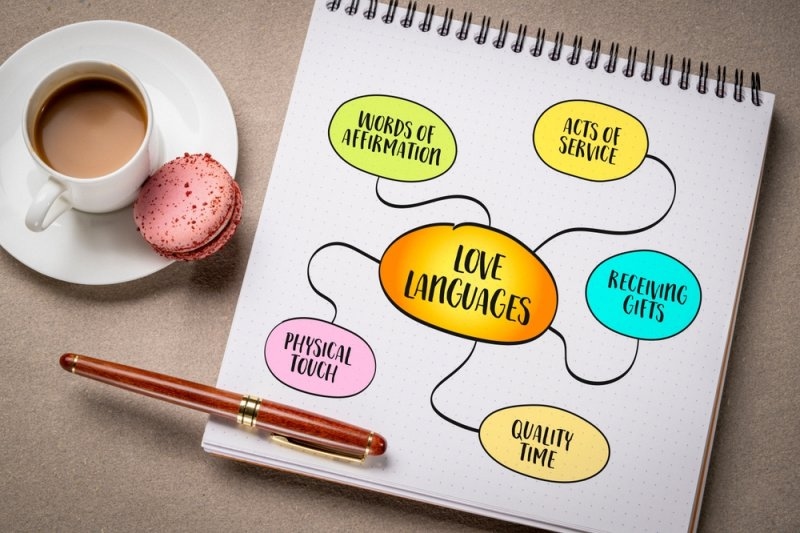
Stop treating affection like a guessing game. Every person gravitates toward different love languages to keep their relational tank full.
1. Words of Affirmation
Verbal validation is the only currency that registers here. This means unsolicited compliments, direct appreciation for daily work, and explicitly saying why you respect your partner without making them ask for it.
2. Quality Time
This requires your undivided presence—no scrolling on a phone, no television playing in the background, and no multitasking while they talk. It means looking them in the eye and actively listening to what they actually say.
3. Receiving Gifts
Forget materialism; this dialect is about visual symbols of thought. A receiver values the time, deliberate observation, and deliberate effort it took to find a tangible item that proves you remembered them.
4. Acts of Service
For these partners, talk is cheap. They only feel valued when you step up and handle the dirty work of daily life without being begged—whether that means knocking out a dreaded house repair or just getting dinner on the table after a brutal workday.
5. Physical Touch
This goes way beyond the bedroom. It is about simple bodily proximity during routine moments, from a hand on the shoulder while cooking to sitting close on the couch when the house finally goes quiet.
How Do the Different Love Languages Impact Relationships?
Ignoring how your partner processes affection breeds bad blood fast. Knowing what love language is and why it matters isn't about passing a psychology quiz—it is the difference between resolving a blowup in ten minutes and letting a silent grudge ruin your entire week.
1. Fixing Broken Conflict Resolution
If your partner speaks Words of Affirmation, harsh sarcasm during a fight inflicts serious emotional damage that takes weeks to clear. Tailoring your apology to their specific dialect speeds up recovery after a blowout.
2. Exposing Unconscious Selfishness
Humans instinctively give the kind of love they want to receive. Auditing your habits forces you to stop gifting what makes you happy and start delivering what actually fills your partner's tank.
3. Calibrating Daily Resource Allocation
You only have so many hours in the week. If your partner cares about Acts of Service, dropping a grand on jewelry won't buy you an ounce of goodwill compared to just grabbing a sponge and detailing their filthy car on a Sunday afternoon.
4. Preventing Emotional Drift During Crises
Under high stress, partners default to their primary survival needs. Delivering fluent affection during a family or career crisis stops the relationship from fracturing under external pressure.
Top Love Languages List for Creating a Romantic Moment
You don't need a massive budget to engineer a meaningful anniversary or date night. Use this tactical love languages list to execute romantic moments that hit the right emotional target every single time.
1. For Words of Affirmation
Draft a handwritten letter detailing three specific obstacles you watched them overcome this year, explaining exactly how their resilience earned your respect.
2. For Quality Time
Plan a four-hour lockout evening. Leave all smartphones in the car, book a quiet booth, and bring three intentional questions to discuss over dinner.
3. For Receiving Gifts
Track their off-hand complaints for a month, then purchase a highly specific tool, book, or comfort item that solves a minor friction point they mentioned in passing.
4. For Acts of Service
Secretly clear their entire weekend chore schedule by detailing their car, handling a lingering house repair, and cooking their breakfast before they wake up.
5. For Physical Touch
Initiate an unhurried, non-verbal connection—like a 20-minute shoulder massage after a rough workday—without making it a transactional demand for intimacy.
Conclusion
Treating a partner well is useless if your execution doesn't translate into their emotional dialect. When you stop guessing and study the 5 love languages, you strip away the romantic ambiguity that ruins otherwise solid partnerships. Audit your own habits, observe where your partner complains the loudest, and calibrate your daily effort to the exact signal they actually process.
Frequently Asked Questions
Can a person’s primary emotional dialect change over time?
Yes. While your foundational childhood wiring usually stays consistent, major life stressors—like having a first child, taking on a demanding career shift, or surviving a health crisis—often shift a person's immediate need toward Acts of Service or Quality Time.
What should you do if your dialect is polar opposites with your partner?
Treat it like a foreign language requirement. You don't need to naturally crave Acts of Service to respect that your spouse needs them. Set recurring calendar alerts or build simple daily checklists to automate gestures in their dialect until it becomes a habit.
How can you identify a partner's dialect without asking them directly?
Watch what they complain about most often. A partner who constantly says, "You never help me around the house," is broadcasting an Acts of Service deficit, while someone who says, "We never talk anymore," is starved for Quality Time.
Do men and women naturally default to different relational dialects?
No. There is no biological gender divide across dialects. While social conditioning often pressures men toward Physical Touch and women toward Words of Affirmation, actual clinical counseling data shows every personality type distributes across all five categories.
This content was created by AI


