When Should You Start Your Wedding Planning Timeline Prep?


Key Takeaways
- A wedding planning timeline turns big, scary decisions into small monthly to-dos.
- Twelve months out is the sweet spot for most couples to start planning.
- A wedding checklist by month stops vendor bookings and paperwork from piling up.
- Six months is tight, but planning a wedding in that window is doable.
- A bride timeline checklist keeps beauty and dress prep separate from vendor chaos.
Nobody warns you how fast wedding planning can spiral. One minute you're picking a date; the next you're drowning in vendor emails and spreadsheet tabs. A solid wedding planning timeline is what pulls it all back together. This guide walks through what to tackle and when, whether you've got a full year to plan or just six months on the clock.
What is a Wedding Planning Timeline?
Think of it as your wedding's backbone. A wedding planning timeline lays out every task, month by month, from booking the venue to picking up your dress. It's not about rigid rules. It's about knowing what matters now versus what can wait a little longer, so nothing sneaks up on you at the last minute.
When to Start Wedding Planning?
Twelve months is the number most planners throw around, and for good reason. It gives you first pick of venues and vendors before their calendars fill up with other couples' dates. Starting early also means you're not writing one giant check right before the wedding. You're spreading it out, which honestly makes the whole thing feel less like a financial gut punch.
Helpful Read: Wedding Planner vs. Coordinator: Which One Do You Need?
Wedding Planning Timeline 12 Months: Wedding Checklist by Month
Splitting a full year into four checkpoints makes the whole process feel less like a mountain and more like a series of small hills. Here's a wedding checklist by month you can bend to fit your own date and priorities.
| Months Before | Key Tasks |
| 12 Months | Set budget, book venue, hire photographer |
| 9 Months | Order dress, hire caterer, book officiant |
| 6 Months | Send save-the-dates, book hair and makeup trials |
| 3 Months | Mail invitations, confirm headcount, final fitting |
How to Plan a Wedding Timeline?
If you're staring at a blank checklist wondering how to plan a wedding timeline that won't fall apart, start small. Three moves make the biggest difference.
1. Set Your Budget First
This one's non-negotiable. Your budget decides almost everything else, so nail it down before you fall in love with a venue you can't actually afford. Couples who skip this step tend to overspend in the first few months, then scramble to make cuts later when the fun stuff, like the honeymoon or the band, gets squeezed instead.
2. Book Priority Vendors Early
Photographers, venues, and caterers get snapped up fast, sometimes a year or more in advance for busy wedding months. Dragging your feet here usually means settling for your second or third choice of date. On the flip side, reaching out early gives you more room to negotiate pricing, ask questions, and actually compare a few options before committing.
3. Build In Buffer Weeks
Things go sideways. Dresses get delayed, vendors go quiet for a week, and shipments arrive late. Padding your timeline with a little extra breathing room keeps a wedding planning timeline realistic instead of a source of constant low-grade panic. Even two or three extra weeks scattered through the schedule can save you from a stressful final stretch.
Bride Timeline Checklist Essentials
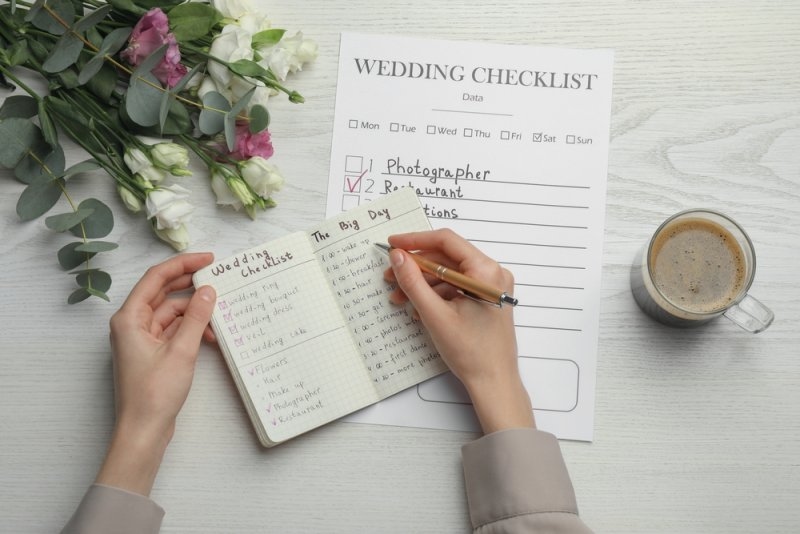
A bride timeline checklist is really just about protecting your own to-do list from getting swallowed by vendor logistics.
1. Beauty and Fitting Appointments
Book your hair and skincare trials a few months out so you have time to tweak anything that doesn't feel right. Save your final dress fitting for a few weeks before the wedding, once your body and schedule have settled. Rushing this part usually means discovering a fit issue with zero time left to fix it.
2. Paperwork and Name Change Tasks
Marriage licenses, name changes, updating your passport or bank accounts. None of it is exciting, but all of it takes longer than people expect. Get a head start on the paperwork instead of leaving it for the week after the wedding, when you'd honestly rather just be on your honeymoon.
3. Day-Of Emergency Kit
Pack safety pins, blotting papers, painkillers, and a stain pen, because something small always goes wrong. It's not pessimism; it's just how weddings work. Hand the kit off to your maid of honor or planner so you're not the one digging through a bag mid-ceremony.
Also Check: 6 Tasks a Wedding Planner Should Handle and 5 They Shouldn't
Planning a Wedding in Six Months
Planning a wedding in six months isn't ideal, but it's far from impossible. It just means compressing steps that usually get spread across a full year.
1. Simplify the Guest List Early
Cutting your guest list is the fastest way to make a shorter timeline manageable. Fewer guests means fewer catering headaches, smaller rental orders, and a much easier venue search. It also takes pressure off nearly every decision down the line, from seating charts to final RSVP counts.
2. Prioritize Non-Negotiable Vendors
Lock in your venue, caterer, and photographer first, since these three eat up the most lead time. Everything else—flowers, favors, decor—can be figured out once those big pieces are settled. Trying to handle everything at once in a six month window is a fast track to burnout.
3. Stay Flexible on Small Details
Skip the custom favors and the elaborate centerpieces if six months doesn't leave room for them. Guests remember how the day felt, not whether the napkins matched the flowers exactly. Letting go of the small stuff frees up time and energy for what actually matters on the day.
Wedding Planning Schedule Tips
A wedding planning schedule works best when it mixes big milestones with small, repeatable weekly habits. Try short check-ins with your partner every week or two to see what's actually getting done. A wedding preparation timeline with some built-in slack handles vendor delays and shipping hiccups far better than one packed to the minute.
Conclusion
At the end of the day, a wedding planning timeline is just a tool for keeping your sanity intact. Whether you're working with a full year or squeezing everything into six months, the goal is the same: stay organized without letting the process take over your life. Lean on the checklist and table above, and let the timeline do the worrying for you.
Frequently Asked Questions
How far ahead should a wedding preparation timeline begin?
Twelve months is the number most planners lean on, and it's not just a random guess. That kind of head start lets you grab popular vendors before their calendars fill up, spread out payments so nothing hits all at once, and skip the mad scramble that comes with starting late.
What is the first step in a wedding planning timeline?
Honestly, it's the budget. Everything else—your venue, your guest list, even your dress—gets decided around that number. Once you know what you're working with, picking a date and shortlisting venues that actually fit your style gets a whole lot easier.
Is planning a wedding in six months realistic?
It's a tighter squeeze, sure, but plenty of couples pull it off. The trick is booking your venue and caterer fast, keeping the guest list lean, and letting go of small details guests probably won't even notice on the day itself.
How do I stick to a wedding planning schedule?
Vague goals don't work here, so break things into actual weekly and monthly deadlines you can check off. Pairing that with a shared checklist app and quick weekly chats with your partner keeps things moving without either of you losing track.
What should a wedding checklist by month include?
Vendor bookings, paperwork, fittings, and whatever communication tasks come up at each stage. Keeping it organized by month means things don't pile up all at once, and you can actually see how far you've come as the date gets closer.
This content was created by AI


